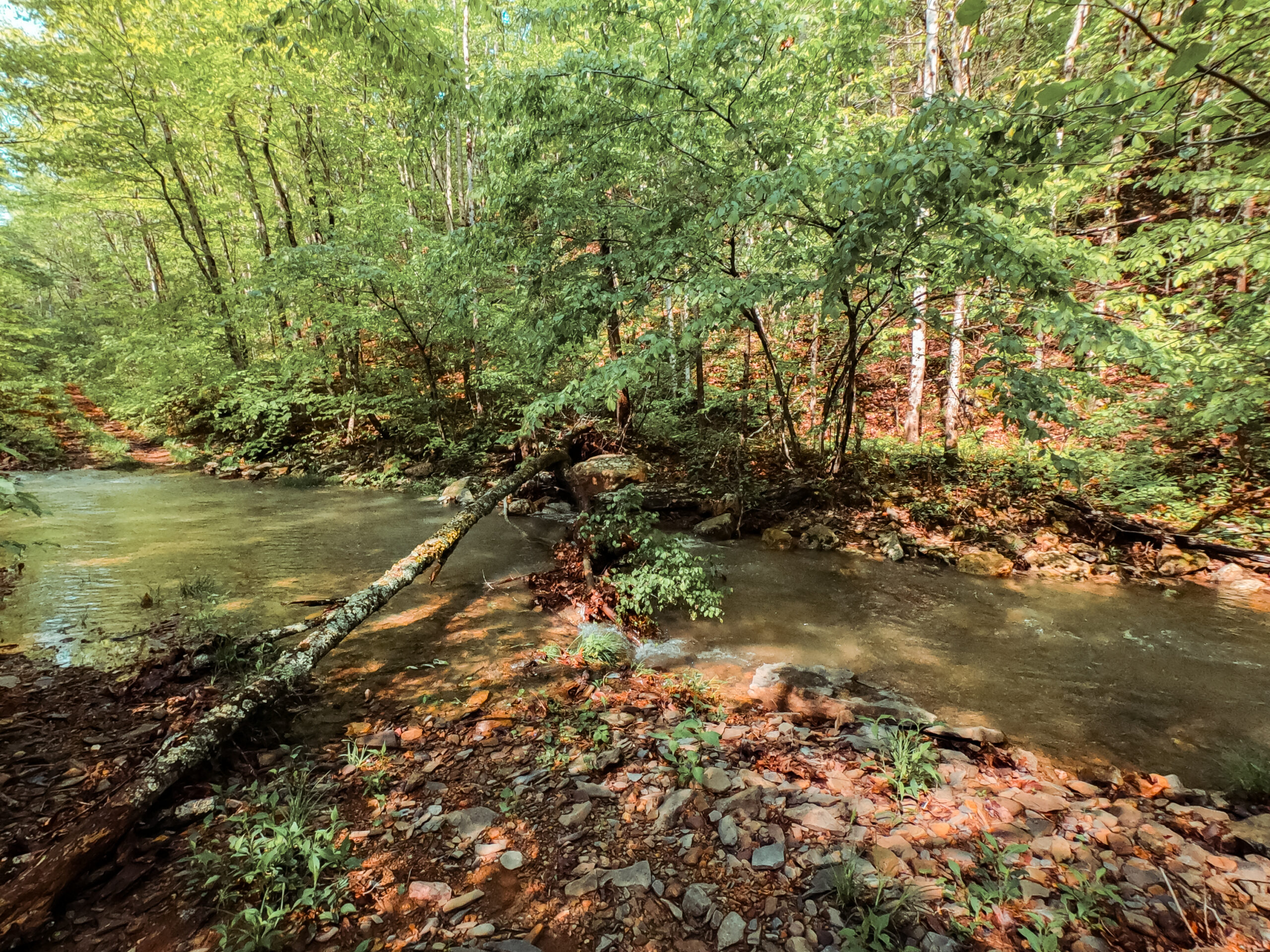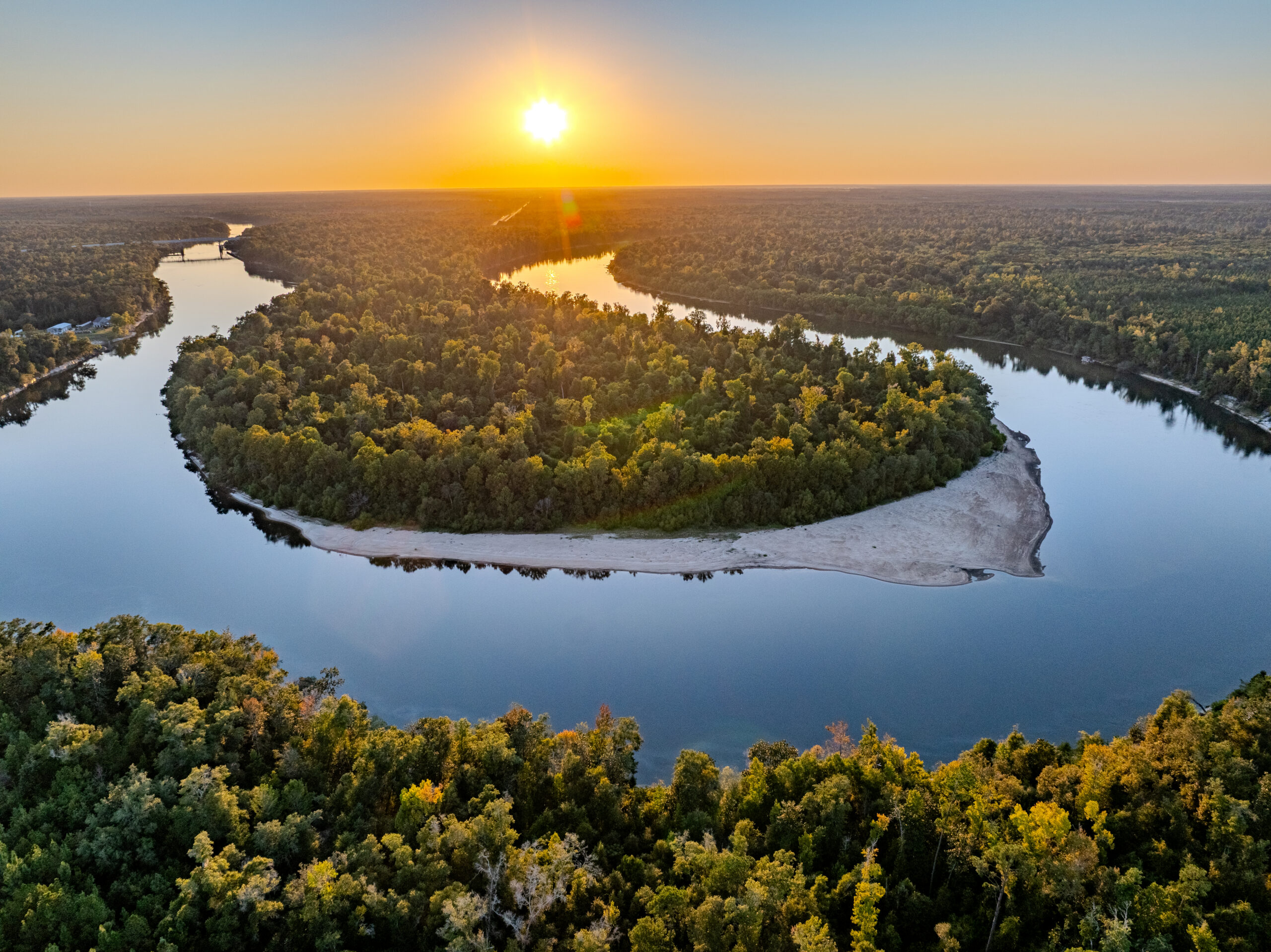
22,461 acres permanently protected through the first phase of a 41,619 acre multi-year conservation effort in one of Florida’s most ecologically important landscapes
Apalachicola, FL – Nov 9, 2026 – Aurora Sustainable Lands (Aurora), together with Ducks Unlimited (DU) and The Conservation Fund (TCF), are pleased to announce the completion of the initial phase of a landmark conservation easement project in Florida’s Apalachicola River Basin. The milestone permanently protects 22,461 acres and is the first of an ambitious effort that will ultimately conserve 41,619 acres of working forestland across one of the Southeast’s most ecologically significant and strategically important landscapes by 2030.
Once complete, DU will hold conservation easements across 41,619 acres spanning five counties, permanently safeguarding working forests, wetlands and waterways that provide critical benefits for waterfowl, wildlife, water quality and communities throughout the Florida Panhandle.
The project fulfills one of the highest priorities identified by Florida Forever, the state’s premier land conservation program.
“It would be difficult to overstate the importance of the Apalachicola River Basin to Florida and the Southeast,” said Elizabeth Guthrie, DU Manager of Conservation Programs for Florida. “This extraordinary landscape supports globally significant biodiversity, including species and ecosystems found nowhere else on Earth, safeguards water resources, and helps support local economies. Completion of this project will create a nearly continuous conservation corridor from the Florida-Georgia border to Apalachicola Bay, providing benefits to communities for generations to come.”
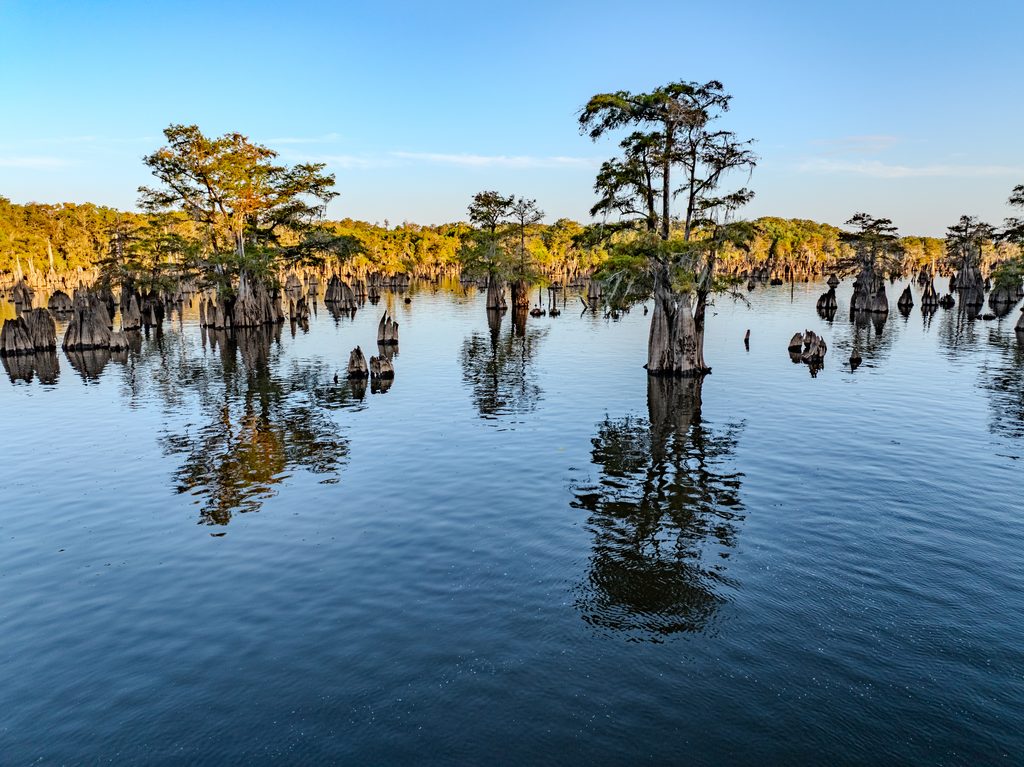
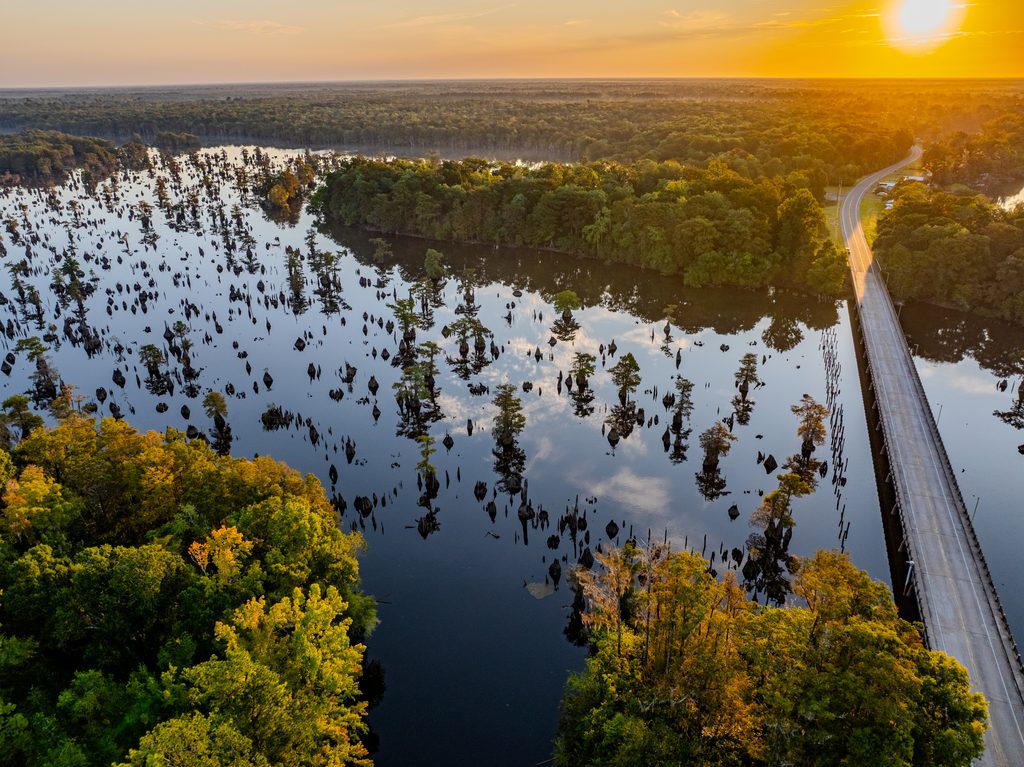
The conserved property is predominantly natural wetlands and contains extensive cypress-tupelo wetlands and riverine bottomland hardwood forests that play a vital role in the health of the Apalachicola watershed. These forests act as a natural carbon sink while naturally absorbing, slowing and filtering water runoff, helping maintain clean, reliable water supplies, and reducing flooding risks during major storm events. By filtering water and moderating stormwater flows, healthy forests can help lessen demand on costly public infrastructure and water treatment systems.
Aurora’s forestlands in the Apalachicola Basin help protect one of Florida’s most important watersheds and contribute to the ecological health of Apalachicola Bay. The surrounding floodplain delivers nutrients that support the bay’s historically significant oyster fishery and other coastal resources that are vital to local economies and communities. These forests, wetlands, and connecting waterways also provide important habitat for migratory birds, including large concentrations of wintering waterfowl that rely on the Apalachicola Basin and Bay during their annual migration cycle.
“This project demonstrates how conservation and active forest management can work hand in hand,” said Cakey Worthington, SVP of Sustainability & Natural Capital for Aurora. “Protecting these forests from fragmentation and development helps increase their resilience to hurricanes, storm surge and heavy winds and rainfall while preserving the water, wildlife, recreation, and economic benefits they provide. Aurora is proud to partner with Ducks Unlimited and The Conservation Fund to ensure these landscapes remain healthy and productive for generations to come.”
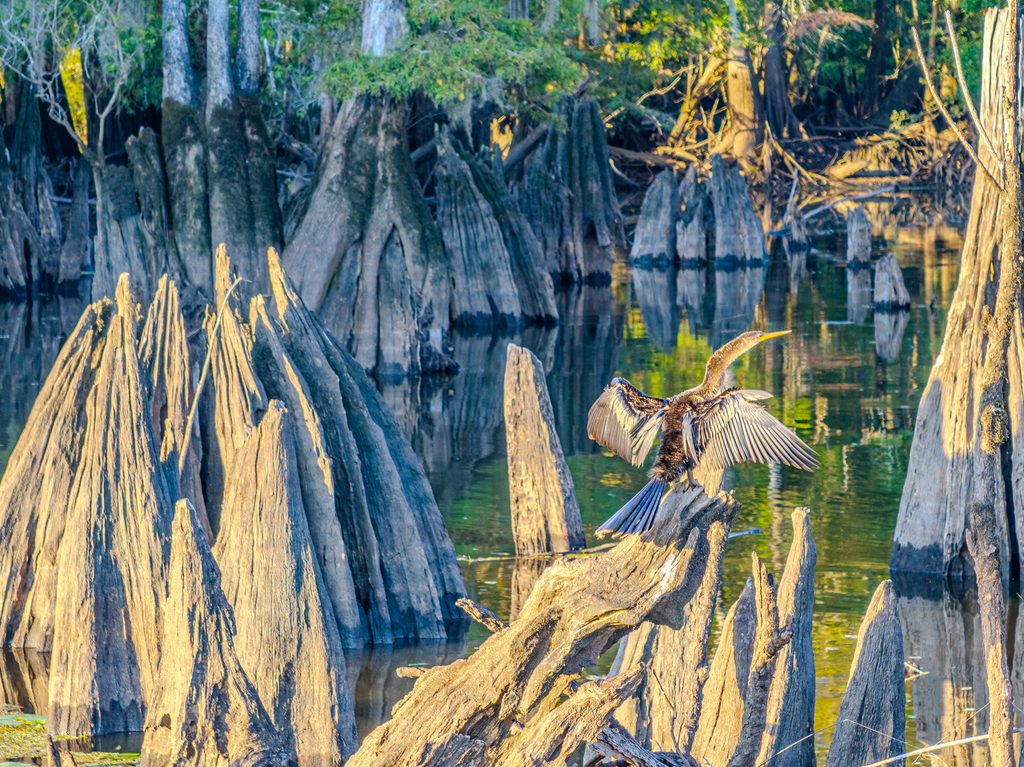
Aurora owns and manages over 40,000 acres in the Apalachicola River Basin and approximately 1.6 million acres of predominately natural hardwood forests across 15 states. Through active forest management, Aurora focuses on improving forest health, increasing carbon storage and sequestration and maintaining the long-term environmental and economic value of working forests. The company’s forests are expected to remove millions of tons of carbon from the atmosphere annually while supporting biodiversity, watershed protection, recreation opportunities and sustainable forest products.
Under the conservation easements, the property will continue to operate as a working forest. In addition to permanently protecting the property from future development, conservation efforts on the landscape include restoration work designed to improve floodplain function and wildlife habitat. Projects include restoring forested slough systems, which help move and store water across the landscape while supporting unique wetland ecosystems.
The easements also benefit a wide range of species that depend on the Apalachicola Basin. Ongoing conservation and restoration efforts support habitat for federally listed species, including bald eagles, Gulf sturgeon and imperiled freshwater mussels. Conservation efforts will also support the oyster population, which play an important role in Florida’s aquatic ecosystems and seafood industry. In addition to its wildlife value, this landscape also provides critical refugia for rare plant communities, including the endangered Florida Torreya, a unique tree species endemic to the Apalachicola region.
“The Apalachicola River Basin remains one of the most important conservation landscapes in the United States,” said Lauren Day, Florida State Director for The Conservation Fund. “Reaching this milestone reflects years of dedication and collaboration among partners who recognized the need to protect these forests not only for wildlife, but also for the people and communities that depend on them. The Conservation Fund is proud to have brought together the partners to protect this vital property.”
Completion of the first 22,461-acre phase marks a significant step toward the broader vision of permanently conserving the entire 41,619-acre landscape. Once complete, these easements will represent one of the largest conservation achievements in Florida in recent decades and help ensure the continued health and resilience of the Apalachicola watershed for generations to come.
About Ducks Unlimited
Ducks Unlimited Inc. is the world’s largest nonprofit organization dedicated to conserving North America’s continually disappearing wetlands, grasslands, and other waterfowl habitats. Established in 1937, Ducks Unlimited has conserved more than 20 million acres thanks to contributions from more than a million supporters across the continent. Guided by science, DU’s projects benefit waterfowl, wildlife, and people in all 50 states. Learn more at www.ducks.org.
About The Conservation Fund
For more than 40 years, The Conservation Fund has protected at-risk lands and places of exceptional cultural and environmental value. Its work has addressed critical challenges including climate resilience, wildlife conservation, rural economic development, and food access, while ensuring that protected places continue to serve communities and contribute to a stronger, more sustainable future. To learn more, visit: conservationfund.org.
Media Contact:
Emily Austin
601-206-5438